The Vancouver Winter Olympics start at 2am on Saturday GMT and I’m really looking forward to them.
For someone who hates the cold as much as I do, I’m oddly fascinated by Ice Skating, Ice Dancing, Speed Skating, Snowboarding, Curling, Ice Hockey, Bobsleigh, Cross-Country Skiing and Biathlon(Cross Country Skiing and Target Shooting).
Luge and Skeleton are just insane, whatever you say.
I’m planning to watch as much as I can but unfortunatly, due to Vancouver’s time zone being 8 hours behind GMT it means that there may have to be judicious use of a recorder to be able to watch more than the concentrated highlights as the coverage seems to be all late night with a highlight show the next day; which is a bit useless for those of us who would like to see the heats as well as the finals.
I’m taking part in the Ravelympics but I may start knitting during the Saturday lunchtime repeat coverage rather than getting up at 2am. I owe it to my knitting to be able to focus on it!
I’m taking part in the WIP’s Dancing event – for those projects that have been stalled for at least a month before the Olympics opening ceremony. I’m going to work on my Blooming Bloomers – using the Knitty Unmentionable‘s pattern.
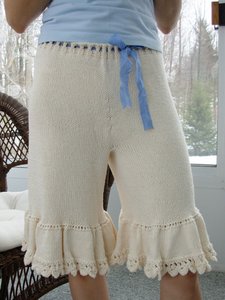
Knitty’s picture not mine. Thier copyright etc.
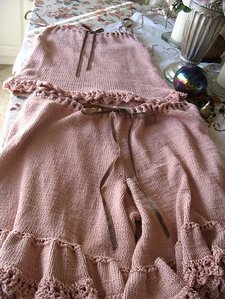
I really loved the pattern when I first saw it a couple of years ago, but it was CostumeChick‘s Bloomers and Camisole set (Ravelry Link)that really inspired me.
I’ve wanted to make them ever since, but as always I couldn’t buy the right kind of yarn at prices I could afford – it does need to be some kind of cotton blend. I got a great amount of yarn for my birthday, however, after seeing this lovely stuff on sale at Kemps and so started work on them in September of last year.
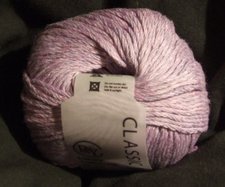
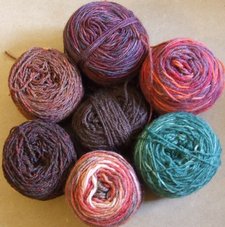
The yarn is a 50% cotton/45% rayon and 5% silk mix called Rowan Luxury Cotton DK. It’s deliciously soft and drapes beautifully.
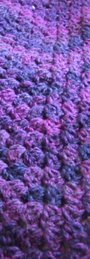
The colourway is called Bloom and is a greyish purpley lilac, with a strand of slightly deeper mauvey lilac twisted though it and it creates a beautiful mottled fabric when knitted up. The only downside is they are those arty type balls that look lovely but, because they are loosely wound centre pull balls, collapse in on themselves in a particularly unhelpful way while you’ve half knitted them!
I’m knitting with Team Purplehaze – the Ravelry group Fog Knitters team. Its the team for people with who cope with ME/CFIDS/CFS/Fibromyalgia and other fatiguing conditions.
This is the stage the bloomers are at, at the moment. This picture was taken back in November and I haven’t worked on them since.
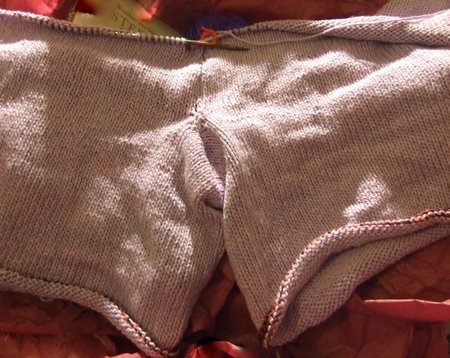
Both legs are completed and joined and the body is half worked.
I’ve broken up the remaining parts that need working on into the following:
-
Remaining Body Section.
-
Waistband.
Once those parts are done I’ll be having to go back to the other end and working on these:
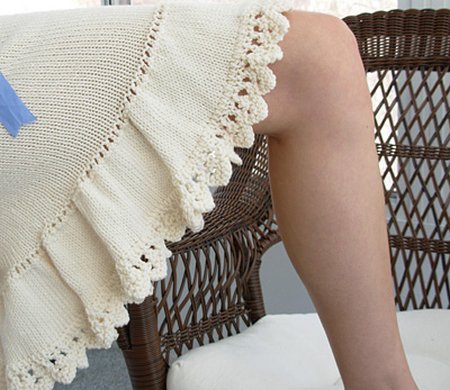
The Ruffles and Lace on the legs which I’ve broken up into the following parts. Yes I AM a huge nerd.
-
Left Ruffle.
-
Right Ruffle.
-
Left Lace.
-
Right Lace.
I don’t know if I’ll get all this finished during the Ravelympics but I’m gonna try!
I’ll update a progress report every couple of days through the Ravelympics.






 A Bluestocking in Red Lipstick